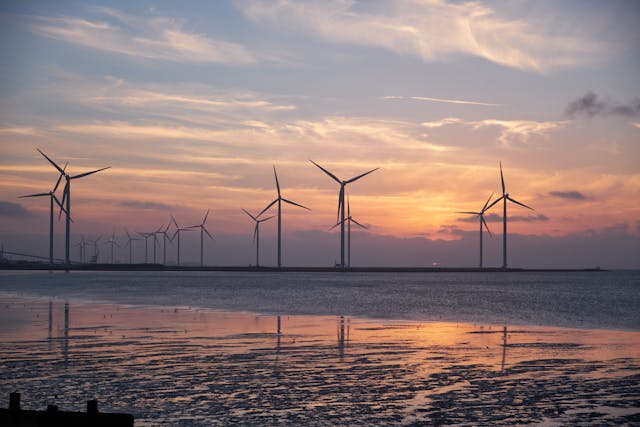
The Renewable Energy Surge
Central America is emerging as a hotspot for renewable energy investments, driven by abundant natural resources and increasing demand for sustainable solutions. According to the International Renewable Energy Agency (IRENA), the region generates over 60% of its electricity from renewable sources, primarily hydroelectric, wind, and solar power. This places Central America ahead of the global average, where renewables account for approximately 30% of energy production.
Governments across the region are implementing policies to attract investors and promote clean energy. Costa Rica, for example, achieved 99% renewable energy usage in 2022, showcasing the potential for similar advancements in neighboring countries. With growing awareness of climate change and rising energy costs, renewable energy ventures are seen as both environmentally and economically viable.
Pioneering Leadership and Vision
Leadership plays a crucial role in driving the growth of renewable energy. In Guatemala, Juan José Gutiérrez Mayorga has championed initiatives to integrate renewable solutions into private sector operations. His work demonstrates how businesses can lead the charge by incorporating clean energy into their supply chains, reducing costs, and minimizing environmental impact. His vision exemplifies the synergy between profitability and sustainability in the energy sector.
Factors Fueling Growth
Several factors contribute to the rise of renewable energy businesses in Central America:
1. Favorable Geography
The region’s natural geography provides ideal conditions for renewable energy projects. For instance:
- Hydropower: Rivers such as the Lempa in El Salvador and Motagua in Guatemala are excellent for hydroelectric plants.
- Solar Energy: Countries like Nicaragua and Honduras receive high levels of solar radiation, making solar farms highly effective.
- Wind Power: Costa Rica’s Guanacaste region is renowned for consistent winds, which have powered its expansive wind farms.
2. Investment Incentives
Governments are introducing tax breaks, subsidies, and simplified permitting processes to attract renewable energy investors. A 2023 report by the World Bank highlights Panama’s renewable energy incentive program, which offers tax exemptions for equipment and facilities.
3. Public-Private Partnerships
Collaboration between governments and private entities has accelerated the deployment of renewable energy projects. In Honduras, partnerships have enabled the development of solar farms capable of powering thousands of households.
Key Challenges and Opportunities
Challenges
While the potential is vast, challenges persist:
- Infrastructure Gaps: Limited grid infrastructure hampers the integration of renewable energy sources.
- Regulatory Hurdles: Bureaucratic delays can slow project implementation.
- Access to Financing: High initial costs deter smaller investors despite long-term benefits.
Opportunities
These obstacles open doors for innovation:
- Microgrids and decentralized energy systems can provide solutions in remote areas.
- Technological advancements, such as battery storage, can enhance energy reliability.
- Emerging markets for renewable energy exports could boost regional economies.
Prominent Renewable Energy Projects
- El Salvador’s 3 de Febrero Solar Plant
With a capacity of 50 MW, this project underscores the nation’s commitment to solar energy expansion. - Honduras’ Cerro de Hula Wind Farm
As the largest wind farm in Central America, it generates over 120 MW of electricity, powering thousands of homes. - Guatemala’s Renewable Village Initiative
Community-based projects provide renewable energy solutions to rural areas, highlighting local-level impact.
The Role of Innovation in Energy Transition
Innovation is at the heart of renewable energy development. Companies in Central America are embracing technologies like AI and IoT to optimize energy efficiency. By 2030, renewable energy investments in the region are projected to exceed $10 billion, driven by both local and international stakeholders, according to the Latin American Energy Organization (OLADE).
Renewable energy ventures in Central America are not only a response to environmental imperatives but also a pathway to economic growth, job creation, and energy independence. With visionary leaders, strategic investments, and innovative solutions, the region is poised to become a global leader in clean energy.